
5 Long-Term Benefits of Gymnastics for Kids
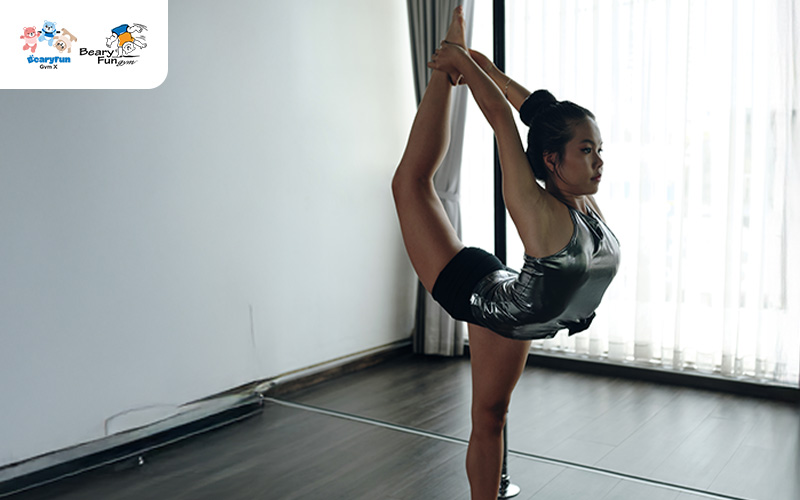
The benefits of gymnastics for kids go far beyond physical fitness. From building strength and coordination to boosting confidence, gymnastics lays the foundation of lifelong development. Early exposure to structured movement helps children grow into resilient, disciplined individuals, equipping them with skills that support learning, social interaction, and emotional growth well into their teen years and beyond. Read on to learn more.
The Importance of Physical Development in Early Childhood
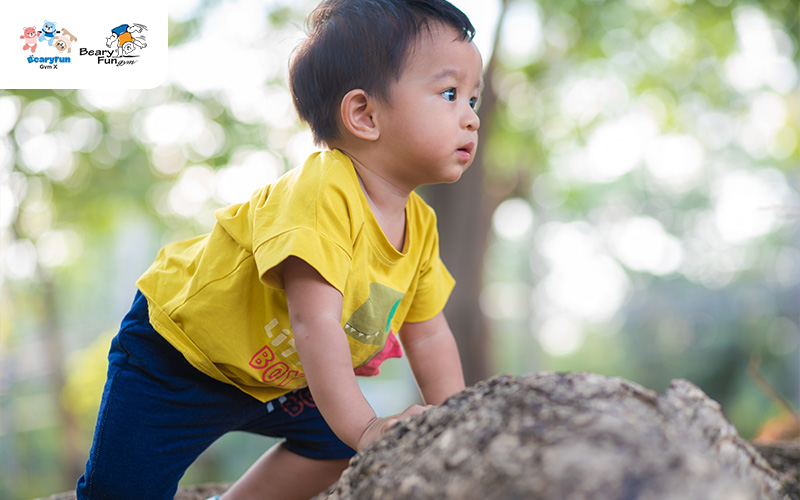
Physical development in early childhood lays the groundwork for learning, confidence, and independence. From balance to coordination, these early skills directly support school readiness, helping children adapt to classroom routines, concentrate better, and interact with others. This article explores why nurturing physical abilities early on is just as important as developing language or social skills.
Understanding Physical Development in Children: Milestones and What to Expect
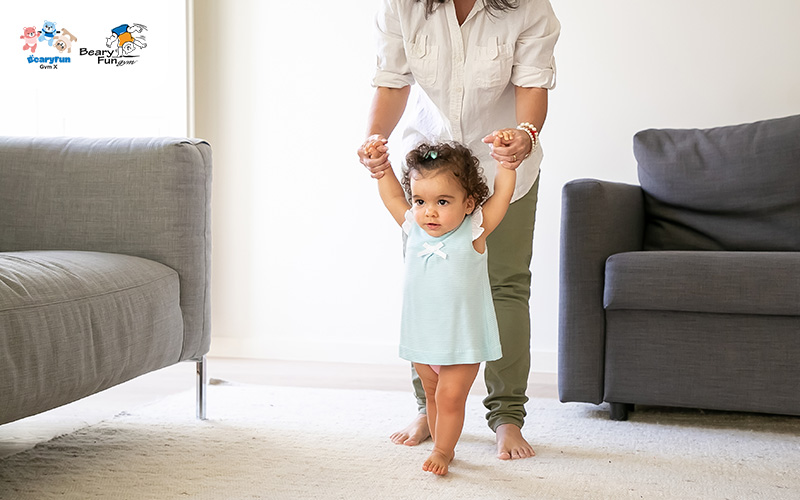
Physical development in children involves steady body growth, improved coordination, and increased strength as they age. This article outlines key developmental milestones and what parents can expect at each stage. Understanding these changes helps you support your child’s physical needs, encourage active play, and recognise when additional guidance may be needed to promote healthy movement and growth.
How BearyFun Gym Supports Growth in Young Children
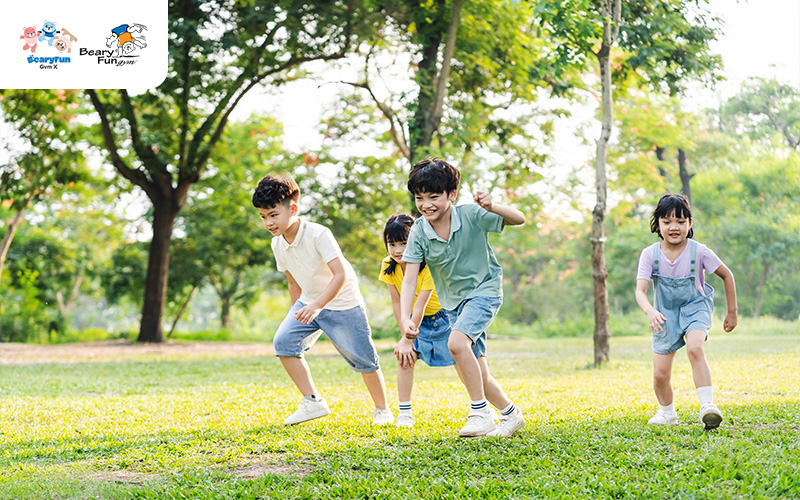
At BearyFun Gym, supporting growth in young children means more than building strength. Our programmes follow the PIES concept, focusing on Physical, Intellectual, Emotional, and Social development. Through fun, structured activities, children gain confidence, coordination, and critical thinking skills—all while making friends and enjoying movement. This article explores how we nurture well-rounded development every step of the way.
What Is Motor Skills Development and Why Is It Important for Young Children?
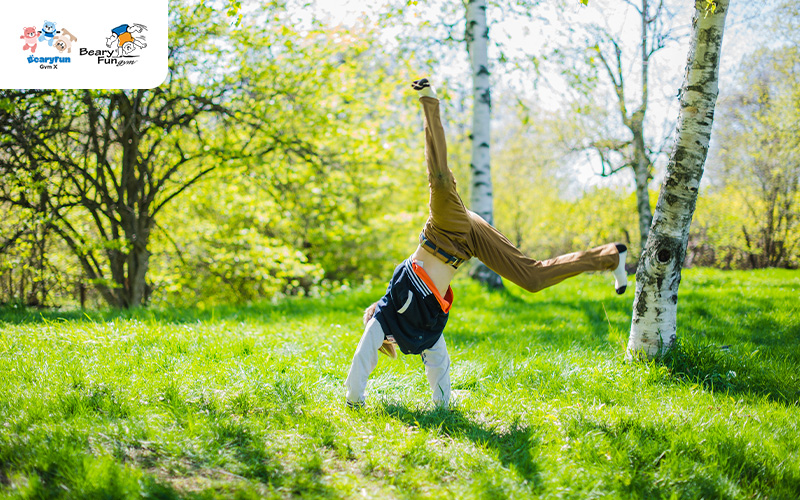
It is no secret that motor skills development plays a key role in a child’s early growth. Through guided physical movements like crawling, jumping, and balancing, children build coordination, strength, and body awareness. This article explores how motor skills impact learning, confidence, and daily activities, and why supporting them early can make a lasting difference in your child’s development.
Why Children’s Gymnastics Builds More Than Just Flexibility
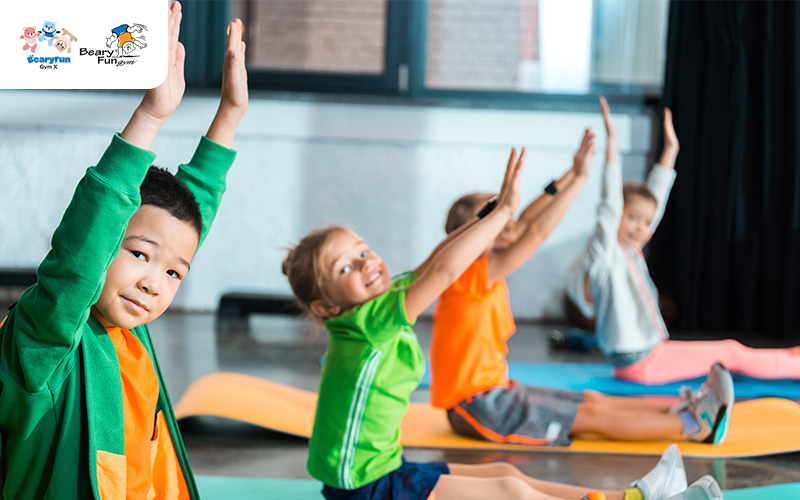
Children’s gymnastics offers more than physical benefits; it also helps children grow mentally and emotionally. Through imaginative play, structured routines, and problem-solving tasks, young gymnasts develop focus, confidence, and cognitive and creative thinking. This article explores how gymnastics shapes well-rounded development, supporting both the body and the brain in a fun, engaging, and supportive environment.
Your Child’s First Gymnastics Class: A Parent’s Checklist
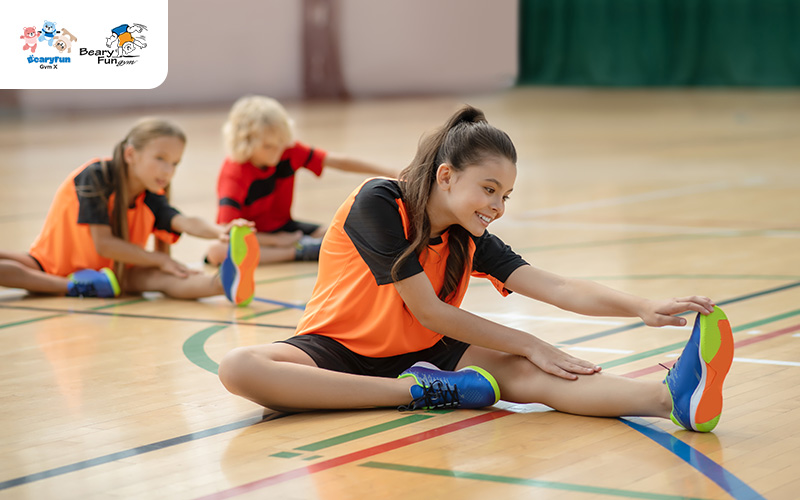
Preparing for children’s gymnastics classes goes beyond just showing up. This guide covers what to pack, from well-fitted activewear to water bottles and hair ties, so your child can move freely and safely. We also share tips on helping your child feel confident and ready, whether they are attending their first class or building on past experience.
How to Choose the Right Gymnastics Programmes for Your Child in Singapore
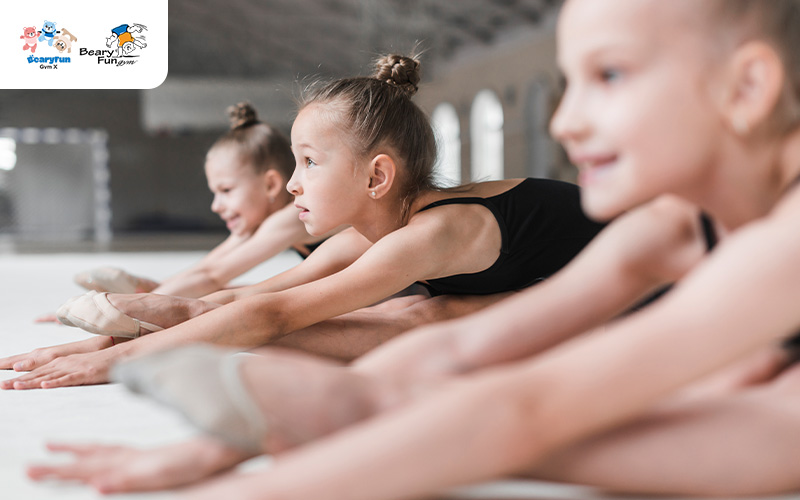
Is your child interested in entering the world of gymnastics in Singapore? This article guides you through the ins and outs of choosing a gymnastics programme that fits their age, interests, and goals. From recreational to competitive options, we cover what to look for in coaches, class structure, and facilities, so you can make an informed decision that supports your child’s development and enjoyment.
Fear of Heights in Young Children: How Early Exposure in Preschool Gyms Can Help
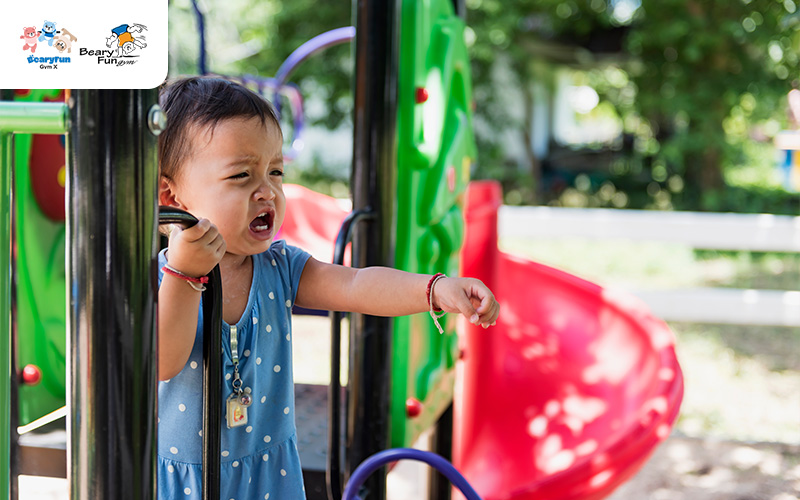
Known as acrophobia, fear of heights is one of the most common phobias, affecting up to 1 in 20 people. While it can surface at any age, early signs often appear in childhood and are considered a normal part of developmental growth. With the right support, this fear doesn’t have to hold children back. In this article, we explore why fear of heights develops in young children and how early exposure through play-based movement can tackle the problem.
What Is Montessori and How Does a Child’s Gym Reflect Its Principles?
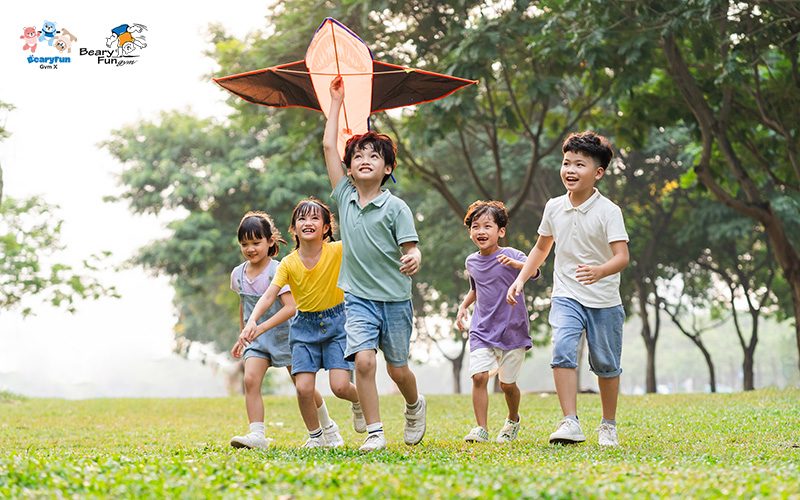
Montessori education is often associated with quiet classrooms, wooden materials, and children deeply focused on their work. But did you know it’s more than just an academic approach? As a philosophy of child development, Montessori champions independence, movement, and learning through exploration. In fact, well-designed children’s gym classes can become a dynamic extension of these values. With movements and mindful learning complementing each other, gym environments offer structured freedom, age-appropriate challenges, and opportunities for children’s self-paced discovery.